2141-A ASSOCIATION BETWEEN NON-ALCOHOLIC FATTY LIVER DISEASE AND CORONARY ARTERY DISEASE OUTCOMES: A SYSTEMATIC REVIEW AND META-ANALYSIS Hazem Abosheaishaa 1 , Islam Mohamed 2 , Muhammad Ghallab 1 , Ahmed Alzamzamy 3 , Natalie Balassiano 1 , Jawad Khan 1 , Moataz Yousry Soliman 4 , Moaz Elshair 5 , Mai Hussein 6 , Md Ripon Ahammed 1 , Muhammad Almas Baig 1 , Amr Ali 7 , Mohammed Abdelwahed 7 , Ahmed Omran 8 and Mahmoud Nassar 1 , (1)Icahn School of Medicine at Mount Sinai, (2)University of Missouri- Kansas City, (3)Department of Gastroenterology and Hepatology, Maadi Armed Forces Medical Complex, Military Medical Academy, Cairo, Egypt, (4)Faculty of Medicine, Al-Azhar University, (5)Faculty of Medicine , Al-Azhar University, (6)Clinical Research Administration/ Ministry of Health and Population, Egypt, (7)Department of Pathology, Donald and Barbara Zucker School of Medicine at Hofstra/Northwell, Uniondale, New York., (8)Trmc/Rwjbh , Rutgers Njms Background: To evaluate the association between non-alcoholic fatty liver disease (NAFLD) and cardiovascular outcomes, including angina, coronary artery disease (CAD), coronary artery calcification (CAC), myocardial infarction (MI), and calcified coronary plaques
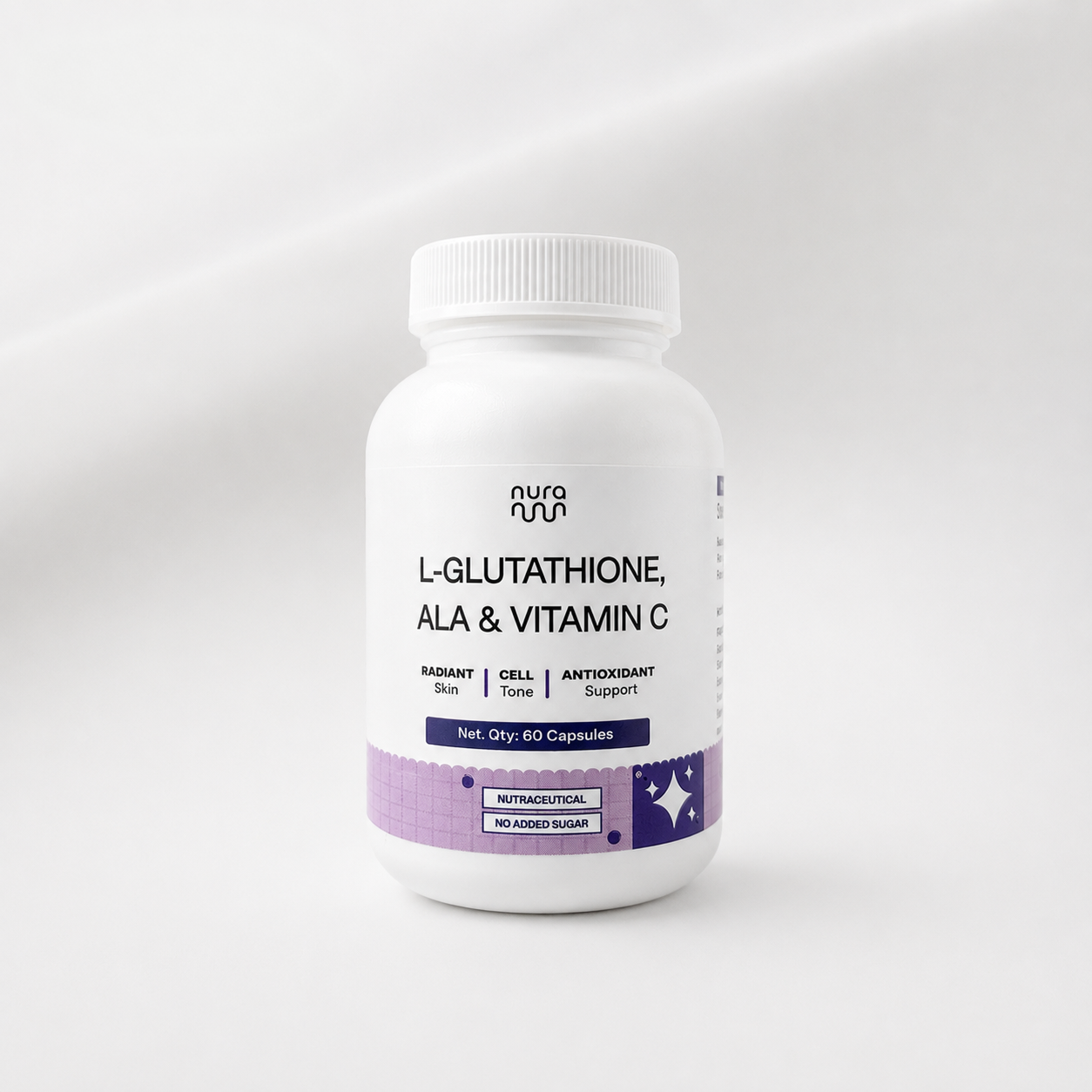
What is glutathione, and what does it do in the body
Orchid toxins, for example, accumulate in the body over time, leading to such reactions as fatigue, skin problems, and other health-related issues
Glutathione is the strongest antioxidant our body can produce and is often called the master antioxidant
J Thorac Oncol 9(5):675-84, 2014














![Armed Dragon LV7 [DR3-EN015] Ultra Rare Theme Deck](https://cdn.shopify.com/s/files/1/0611/6579/7629/products/f0003686-3da0-51f4-a9cf-6f7a08eddb12.jpg?v=1638245011)