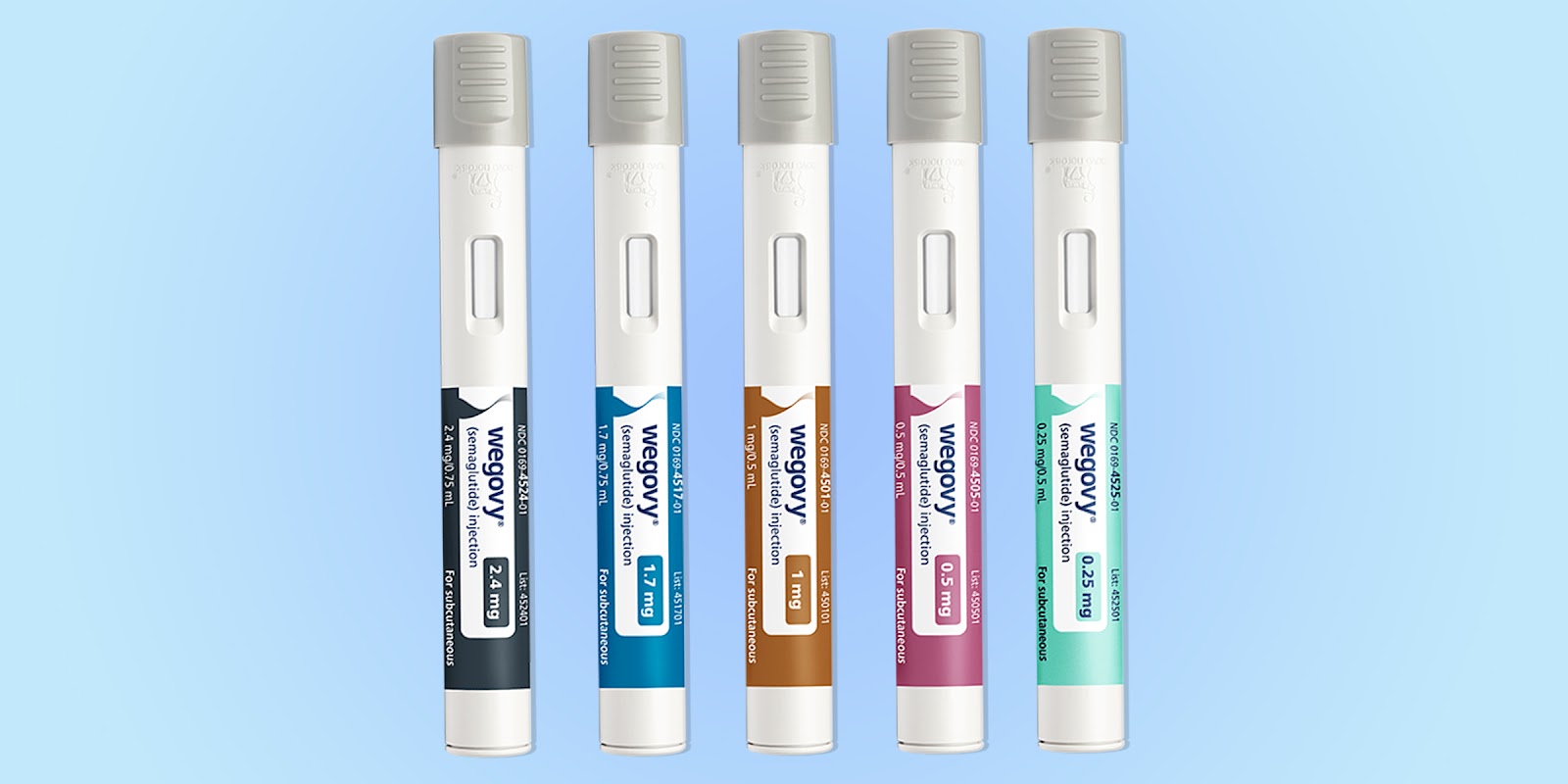
The answer depends on the compound and the research application: For systemic effects (body composition, hormonal, neurological) subcutaneous injection is the established research standard [17] For localised GI research (gut healing, IBD models) oral BPC-157 has specific relevance and is supported by animal studies [8] [9] For cognitive/neurological research intranasal delivery has been studied for Semax and Selank, but injectable remains the more common research route [13] [12] When in doubt, the published research literature almost always specifies the delivery method used
They also use it to inject a small amount of testing drug inside the skin, also known as intradermal injection for tuberculin skin test (TST), to find out if the patient is afflicted with tuberculosis or not
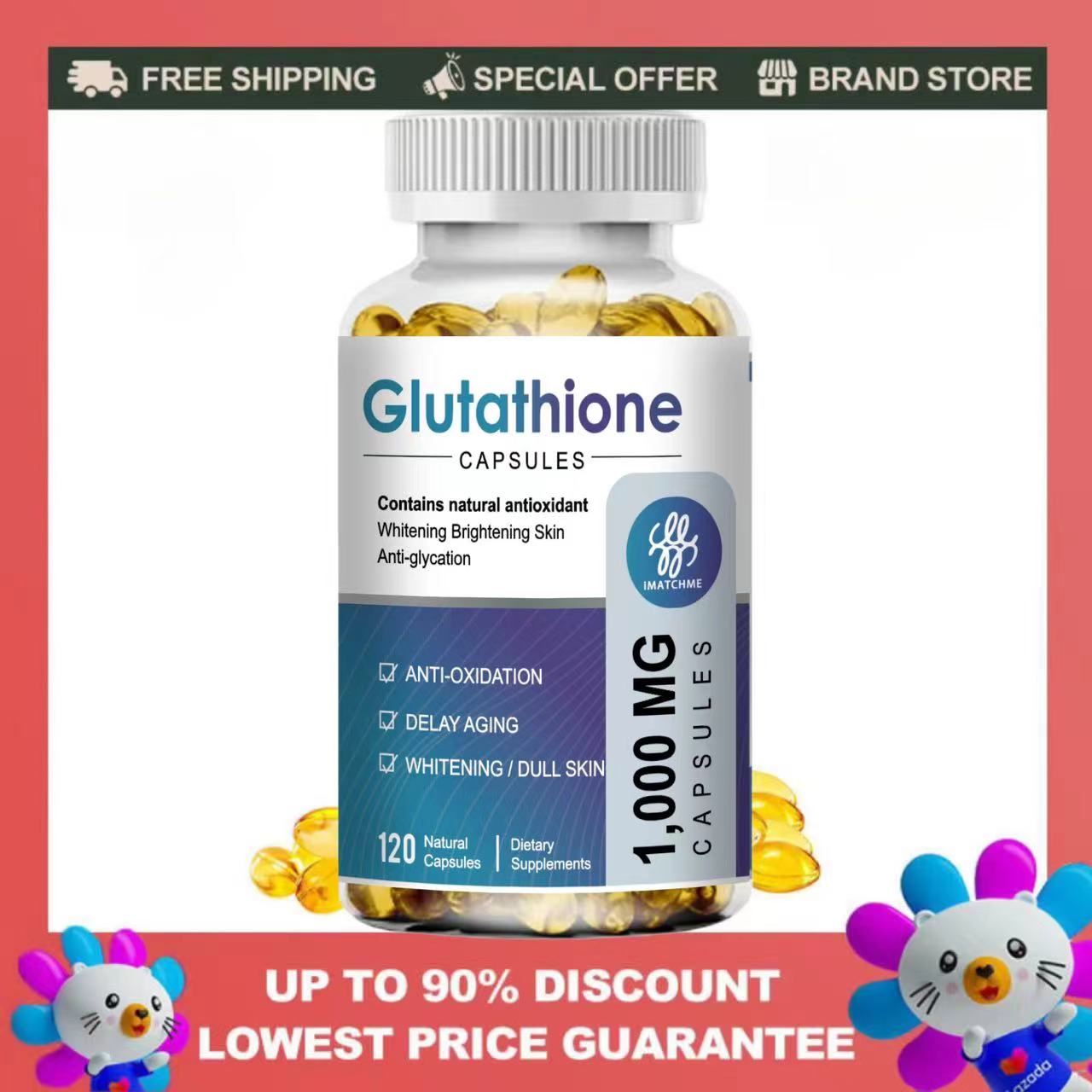
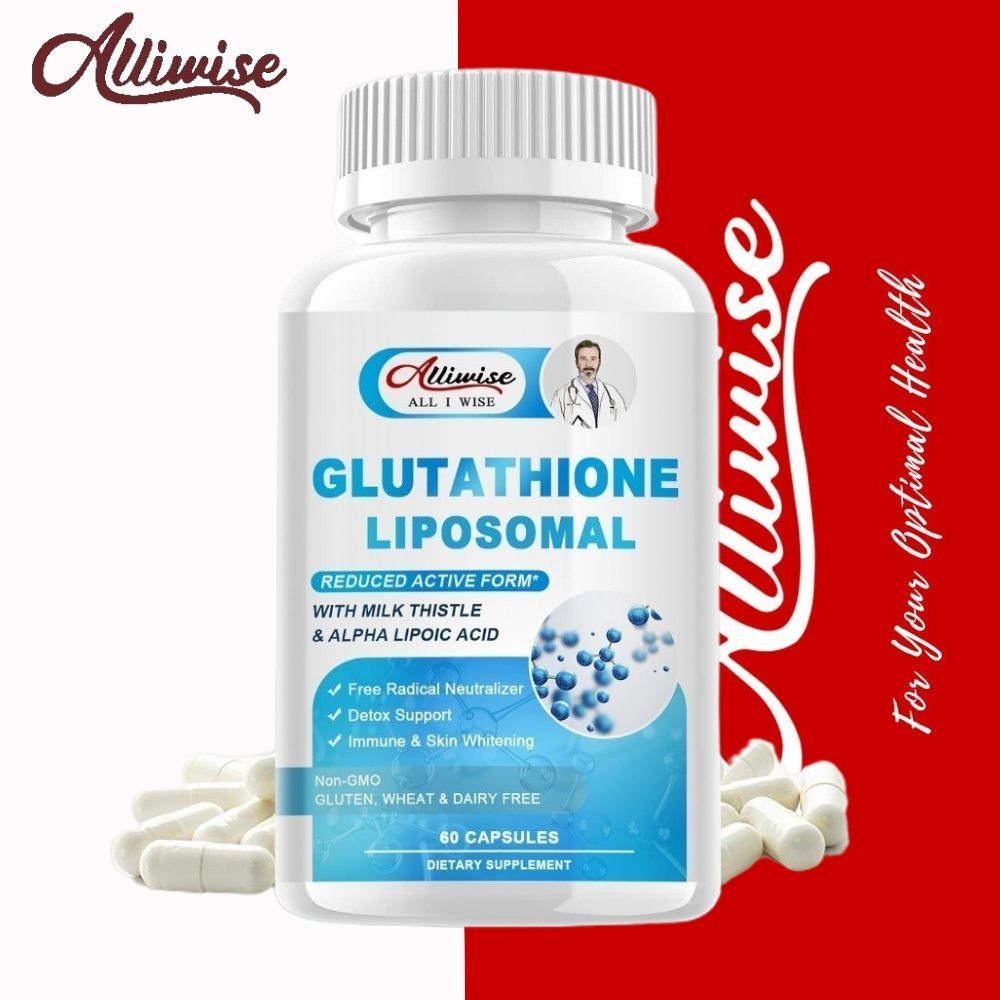
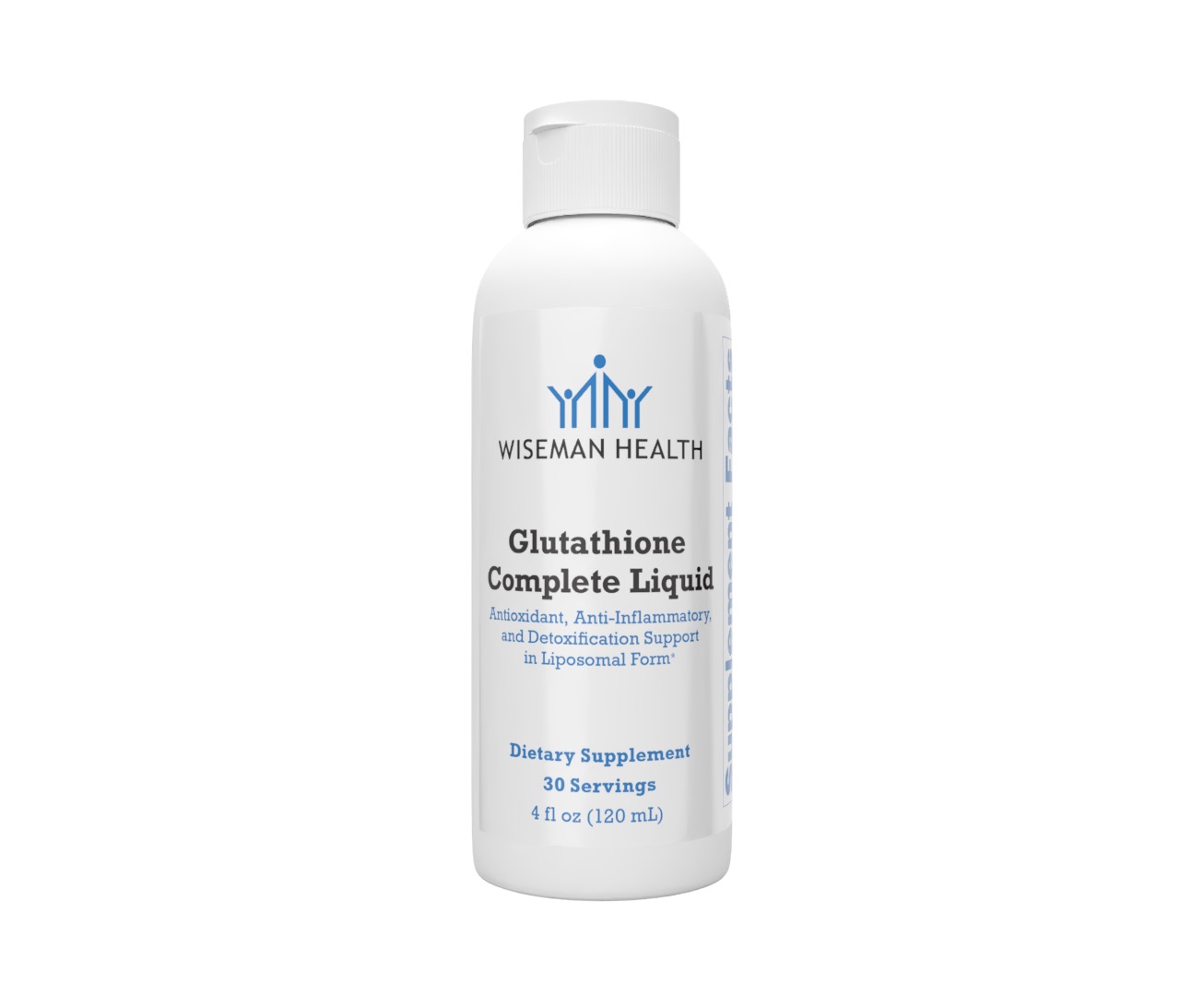
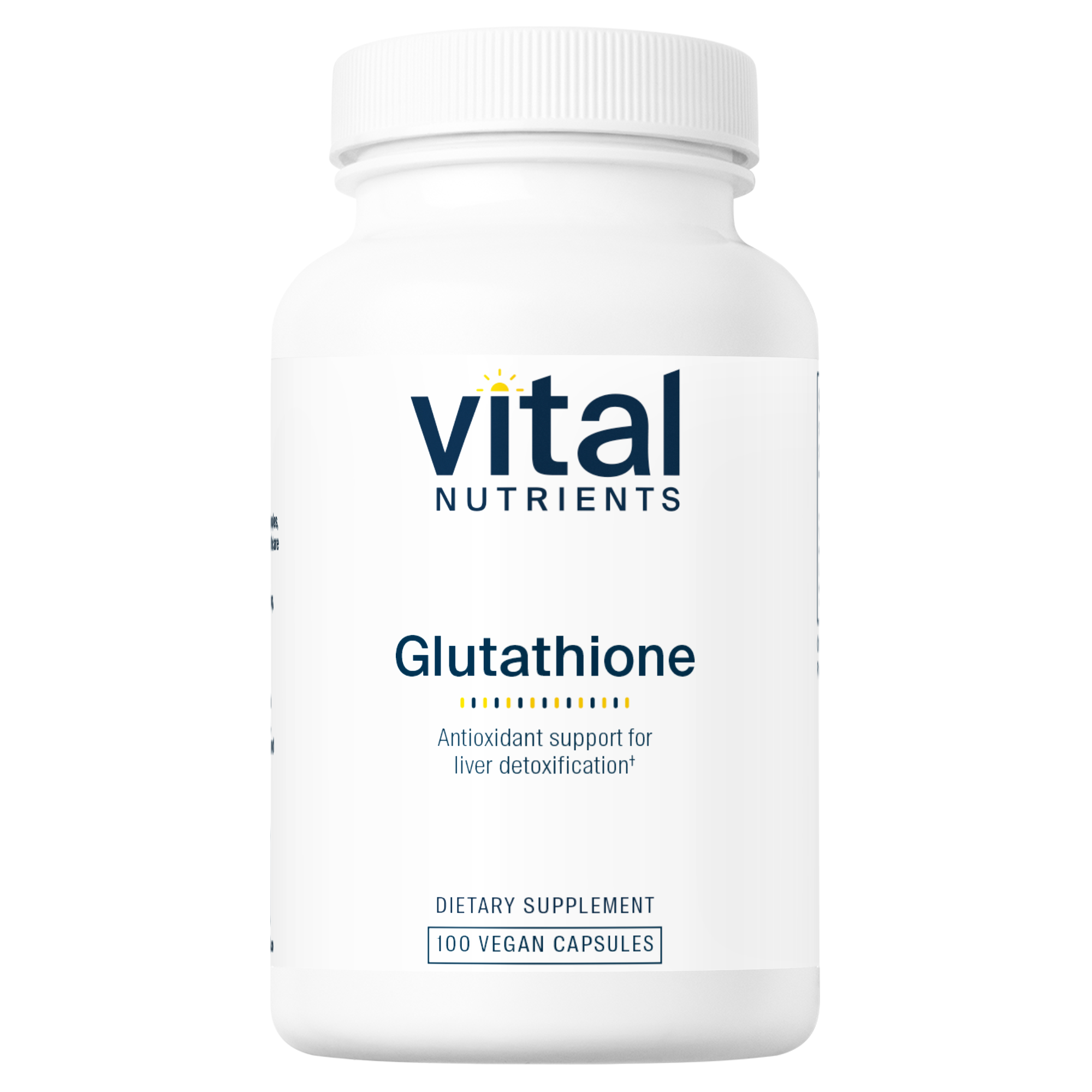
Description * Intracellular Antioxidant * Vegan * Gluten Free * Dietary Supplement * Non GMO Certified by NSF Glutathione is the most abundant intracellular thiol (i.e., a compound containing a sulfhydryl [SH] group) and low molecular weight tripeptide found in living cells
Some people notice reduced discomfort or inflammation within days to a couple of weeks
By reducing this inflammatory burden, GHK-Cu creates a more favorable environment for tissue regeneration and maintenance












)